Understanding the Importance of Selecting the Correct Electrical Panel
Choosing the right electrical panel for your home is crucial for ensuring safety and efficiency. An electrical panel manages how electricity flows throughout your house, acting as a bridge between external power lines and your home’s wiring. Selecting the wrong panel can lead to potential hazards, inefficiency, and even increased costs. Understanding the factors that influence your choice will help you make an informed decision.
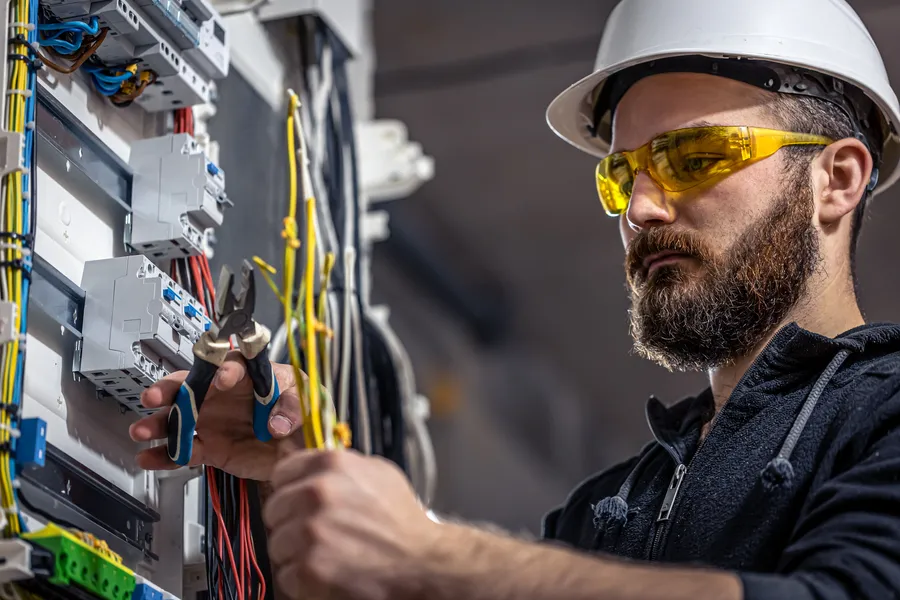
Factors to Consider When Selecting an Electrical Panel
When selecting an electrical panel, consider the size of your home and its power needs. A larger home typically requires a higher capacity panel to handle the greater number of circuits. Additionally, anticipate future needs such as adding new appliances or expanding living spaces. These factors will impact whether you might need an electrical panel upgrade in the near future.
Types of Electrical Panels Available
Several types of electrical panels are available, each suited for different needs:
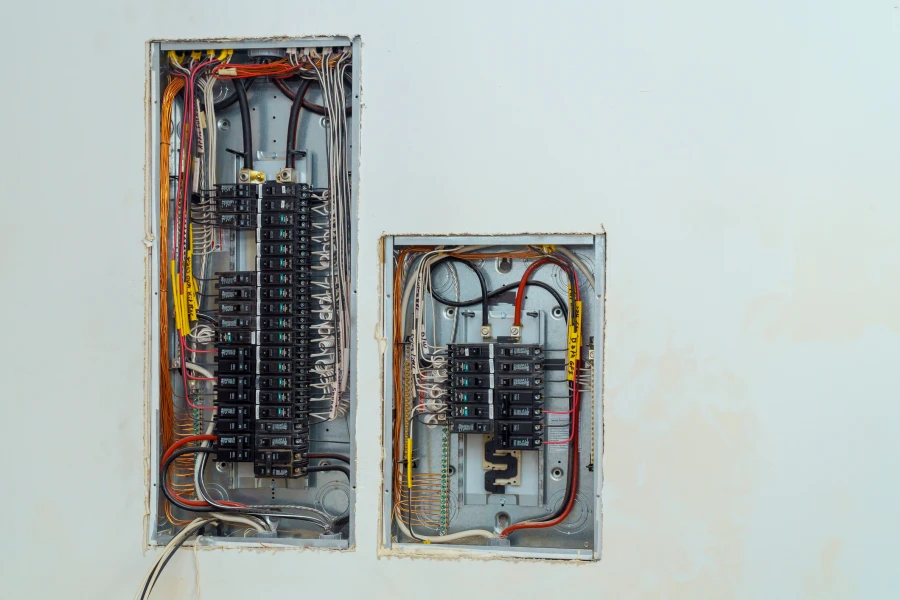
- Main Breaker Panels: These control the electricity entering your home. They offer the ability to shut off all power with a single switch.
- Main Lug Panels: Often used as sub-panels, these require a separate disconnect outside.
- Sub-Panels: Used to distribute power to specific areas within a home, they provide additional circuits without overwhelming the main panel.
The Role of Circuit Breakers in Electrical Panels
Circuit breakers are vital components of any electrical panel. They protect your home’s wiring system from overload by cutting off power when necessary. The type and number of circuit breakers needed depend on the appliances and devices connected to your system. This consideration often leads homeowners to consider an electrical panel upgrade to accommodate more circuit breakers or higher amperage.
Signs That You May Need a New Electrical Panel
Recognizing signs that your current panel may not suffice is essential for maintaining safety and efficiency:
- Frequent Circuit Breaker Trips: If breakers trip often, it might indicate an overloaded panel.
- Flickering Lights: This can be a sign of insufficient power distribution or loose connections.
- Burning Smell or Scorch Marks: These are immediate warning signs that should prompt professional inspection.
Understanding Safety Standards and Regulations
Electrical panels must comply with local and national safety standards, including those set by the National Electrical Code (NEC). These regulations ensure proper installation and functionality. It’s important to work with a licensed electrician who understands these requirements to avoid potential safety hazards.
The Cost Implications of Choosing an Electrical Panel
The cost of an electrical panel varies depending on its capacity and features. While a higher initial investment might seem daunting, it can save money in the long run by preventing costly repairs and enhancing energy efficiency. Evaluate your long-term needs alongside budget constraints when making a decision.
Making the Final Decision on Your Electrical Panel
In making your final decision, weigh all considerations carefully-current needs, future expansions, safety standards, and budget. Engaging with a professional electrician can provide valuable insights tailored to your specific situation. As you choose your electrical panel, remember that selecting wisely ensures both safety and functionality in your home’s electrical system.
Contact Us for Expert Guidance With Your Electrical Needs
If you’re unsure about which electrical panel best suits your home, reach out for expert advice. At Gaspers Electric, we specialize in helping homeowners assess their electrical needs and upgrade systems effectively. Based in Valley Springs, CA, our team is here to provide top-notch service tailored to your unique requirements. Call us at (209) 601-1171 today to ensure your home’s electrical system is safe and efficient.